
17 Simple Side Dishes for Every Vegetable Your Garden Refuses to Stop Producing
There’s a moment every growing season when abundance tips into excess—zucchini multiplying overnight, green beans that won’t quit, herbs you can’t use fast enough no matter how generous you are. This is where technique starts to matter, because the difference between another bowl of vegetables and something you actually want to eat comes down to how you handle them in the pan, the oven, or the bowl. These recipes lean into that reality, showing you how to keep things crisp where they should be, concentrate flavor when it counts, and balance everything so your ingredients carry the dish instead of overwhelming it.

Summer Orzo Salad

The vinaigrette does more than dress the pasta—it sharpens the flavor of peak-season tomatoes and keeps the cucumbers crisp instead of watery. Letting it sit briefly gives the orzo time to absorb that acidity, so every bite tastes cohesive rather than scattered.
Get the Recipe: Summer Orzo Salad
Citrus Asparagus Couscous

A quick blanch sets the asparagus—bright green, tender with structure—while the citrus dressing reinforces that freshness instead of masking it. The couscous catches everything, so you get contrast and balance in every forkful.
Get the Recipe: Citrus Asparagus Couscous
Roasted Cabbage Steaks

High-heat roasting transforms cabbage from dense and sharp into something caramelized and tender, with crisp edges that hold onto every bit of flavor. Starting with thick slices keeps the center soft while the exterior does the work—exactly the contrast you want.
Get the Recipe: Roasted Cabbage Steaks
Greek Quinoa Salad

Tossing the quinoa while it’s still slightly warm helps it absorb the vinaigrette instead of shedding it. That’s what ties the vegetables, beans, and cheese together into something unified rather than a bowl of separate parts.
Get the Recipe: Greek Quinoa Salad
Garlicky Green Beans with Fried Onions

A quick sauté keeps the beans in that sweet spot—tender but still snapping—while the garlic blooms in the fat instead of burning. The fried onions bring texture, but it’s that controlled cook on the beans that carries the dish.
Get the Recipe: Garlicky Green Beans with Fried Onions
Easy Oven Asparagus

Roasting concentrates the flavor and dries the surface just enough to give you light browning without overcooking the interior. Spread out on a sheet pan, the spears roast—not steam—and that’s the difference you taste.
Get the Recipe: Easy Oven Asparagus
Worcestershire Green Beans

Building the sauce in the pan lets the shallots soften and the Worcestershire deepen before coating the beans. It’s a fast technique, but it layers flavor in a way that makes the dish feel far more deliberate.
Get the Recipe: Worcestershire Green Beans
Balsamic Glazed Brussels Sprouts

Roasting first creates those deeply browned edges, then the glaze goes on so it clings and reduces without burning. That order matters—it keeps the sprouts crisp where they should be and tender where they need to be.
Get the Recipe: Balsamic Glazed Brussels Sprouts
Shrimp Asparagus Risotto
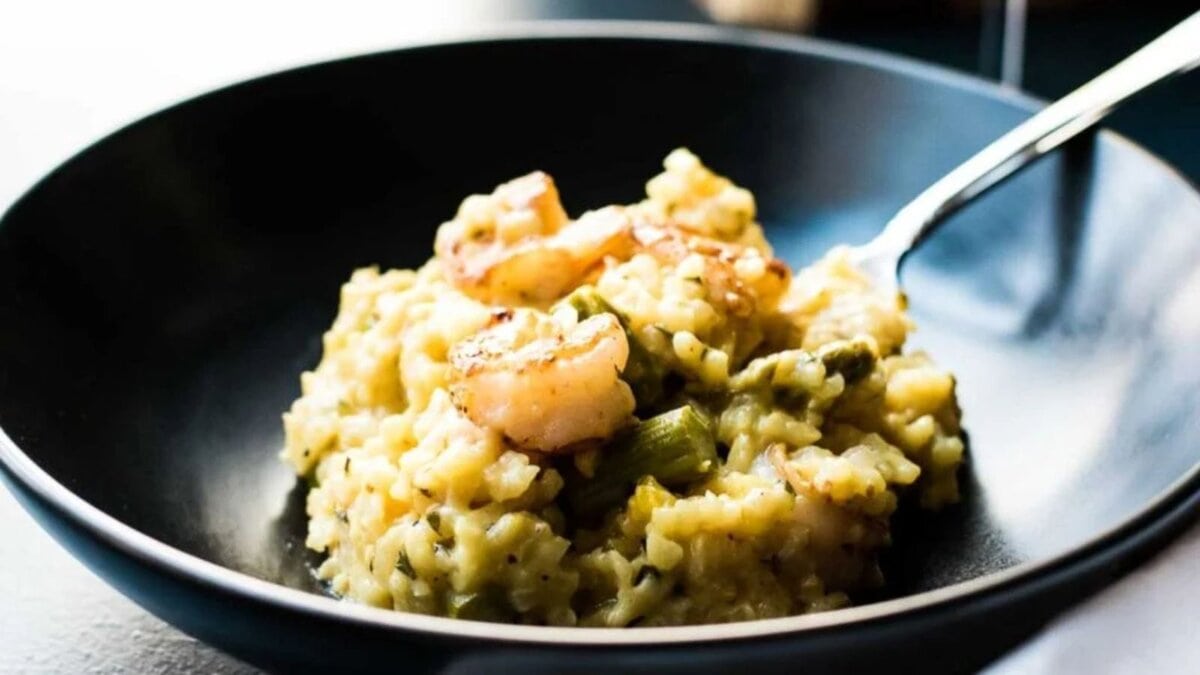
This method leans on controlled liquid absorption rather than constant stirring, letting the rice release starch gradually while the asparagus cooks just enough to stay bright. It’s a shift in technique that still delivers that creamy finish.
Get the Recipe: Shrimp Asparagus Risotto
Veggie Couscous Salad

Hydrating the couscous properly—just enough liquid, covered and left alone—gives you separate, fluffy grains that won’t clump. That texture is what lets the herbs and vegetables distribute evenly instead of getting lost.
Get the Recipe: Veggie Couscous Salad
Roasted Honey Glazed Carrots

Roasting first develops the carrots’ natural sugars, then the honey goes on to reinforce that flavor without burning. It’s a simple sequencing choice that keeps the glaze glossy and the edges just slightly crisp.
Get the Recipe: Roasted Honey Glazed Carrots
Tomato and Smashed Cucumber Salad

Smashing the cucumbers creates rough edges that catch the dressing instead of letting it slide off. Combined with juicy tomatoes, that texture shift is what makes the salad feel intentional rather than thrown together.
Get the Recipe: Tomato and Smashed Cucumber Salad
Screaming Skillet Green Beans

A ripping hot pan blisters the beans quickly, locking in their color and bite while creating those charred spots that add depth. It’s fast, loud cooking—and that’s exactly why it works.
Get the Recipe: Screaming Skillet Green Beans
Air Fryer Zucchini Fritters With Feta

The air fryer circulates heat evenly, setting the exterior into a crisp shell while the inside stays tender. It’s the difference between fritters that hold together and ones that fall apart halfway through cooking.
Get the Recipe: Air Fryer Zucchini Fritters With Feta
Zucchini Noodle Salad

Spiralizing turns zucchini into strands that absorb dressing lightly without becoming soggy. It keeps the texture fresh and structured—closer to a composed salad than a pile of softened vegetables.
Get the Recipe: Zucchini Noodle Salad
Cheesy Zucchini Casserole

Salting and draining the zucchini pulls out excess moisture before it hits the oven, which keeps the casserole from turning watery. What you get instead is a set, creamy interior with a top that actually browns.
Get the Recipe: Cheesy Zucchini Casserole
Honey Garlic Carrots

The glaze reduces right in the pan, coating the carrots in a sticky layer that clings instead of pooling. That quick cook keeps them tender with a slight bite, so the sweetness reads as balanced, not flat.
Get the Recipe: Honey Garlic Carrots